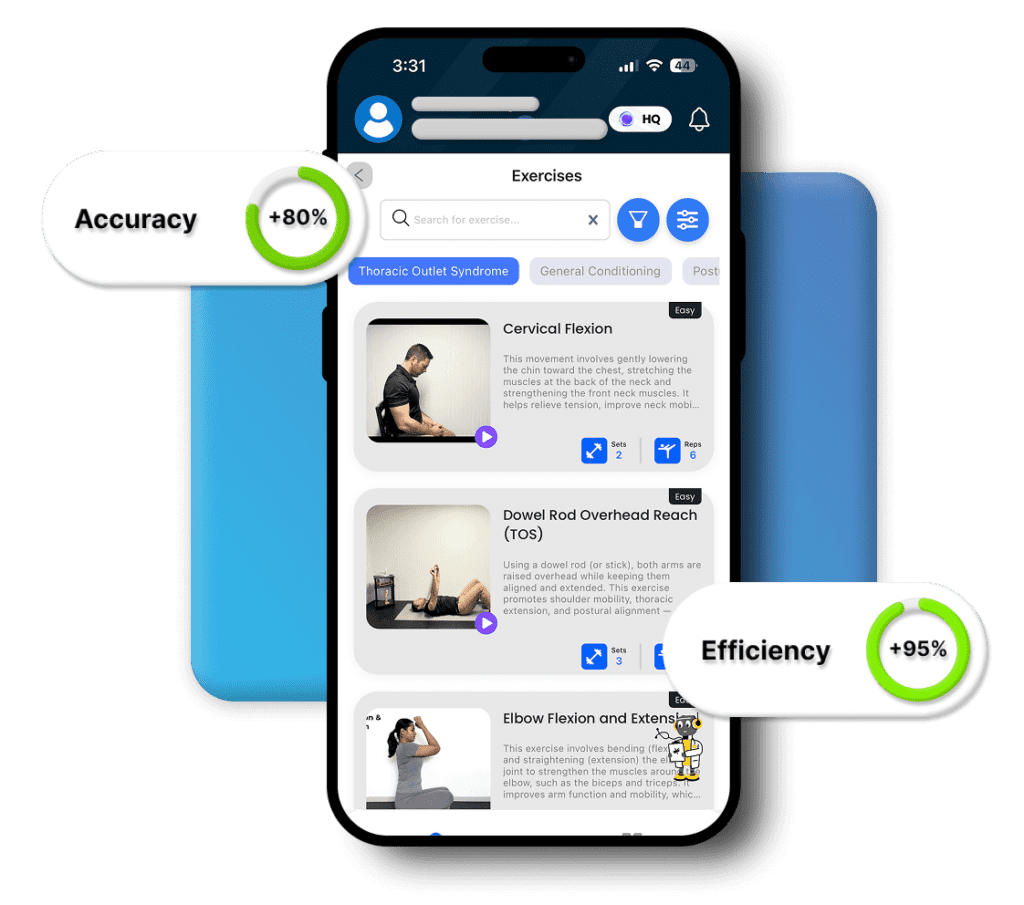
App-based physical therapy platforms use AI-guided exercises, movement tracking, and structured programs to enable rehabilitation without face-to-face sessions.
Remote Physical Therapy can function without in-person sessions when exercise guidance, movement analysis, and progress tracking are delivered through digital platforms.
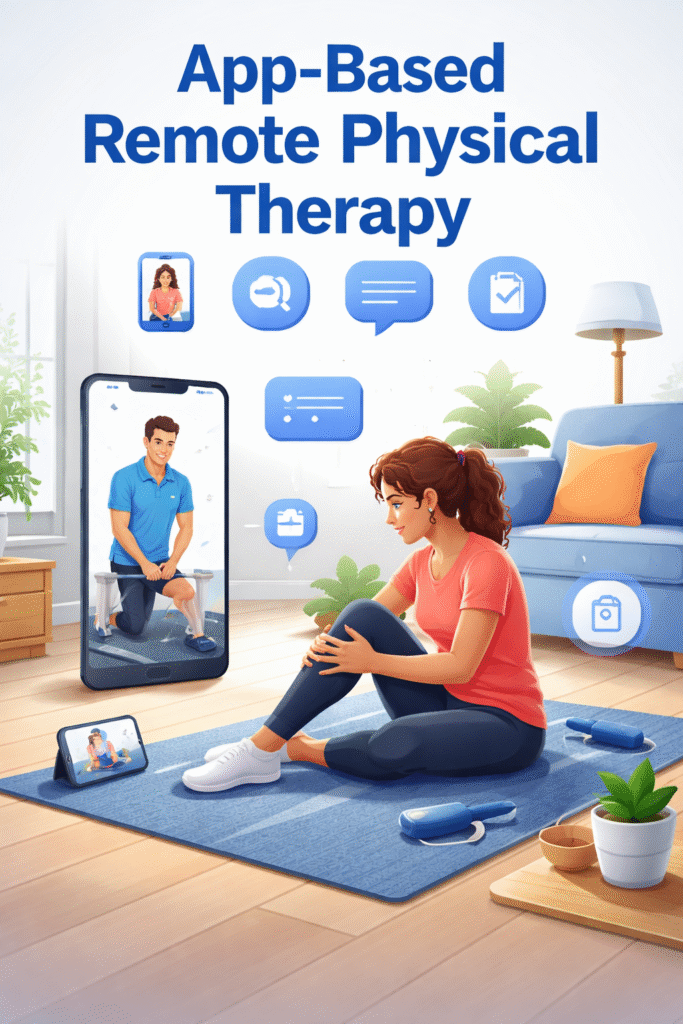
In this approach, users complete guided exercise sessions at home using app-based systems rather than attending clinics or live video appointments.

This form of remote pt differs from traditional telehealth models.
There is no practitioner supervising sessions in real time and no verbal instruction provided during exercise performance.
Instead, therapy is delivered through predefined programs supported by automated feedback.
This structure allows rehabilitation activities to continue without physical presence while maintaining consistency.
App-based delivery of physical therapy
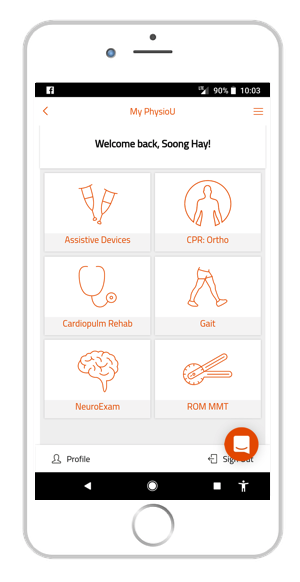
Remote Physical Therapy delivered through app-based platforms is accessed using smartphones or tablets.
All therapy components are provided digitally.
Exercises, instructions, and feedback are delivered through the platform interface.
There are no scheduled appointments and no live supervision.
This delivery method allows pt remote programs to be completed independently of location.
Sessions take place in home environments rather than clinical settings.

AI-guided movement analysis
In app-based Remote Physical Therapy, movement guidance is delivered through software rather than in-person supervision.
Smartphone cameras capture body position and movement as exercises are performed during remote pt sessions.
Movement data is analysed against predefined exercise parameters within a therapy treatment plan.
These parameters are based on common movement patterns and alignment expectations used in pt remote programs.
When movements fall outside expected ranges or positions, visual cues are displayed on the screen.
These cues indicate where posture or movement adjustments may be required.
This feedback supports self-correction during exercise performance.
Users can adjust posture and movement while continuing their Remote Physical Therapy session.
Guidance is generated automatically using observed motion data.
This allows exercises to be completed consistently without in-person instruction in remote pt and pt remote care models.
Structured therapy treatment plan
Each Remote Physical Therapy program follows a structured therapy treatment plan delivered through digital platforms.
The therapy treatment plan outlines how exercises are organised and completed without in-person supervision.
Within remote pt models, the therapy treatment plan is divided into individual sessions.
Each session contains a defined set of exercises designed to support movement goals in pt remote care.
The therapy treatment plan determines exercise order, frequency, and progression over time.
Users follow this structure rather than selecting exercises independently during Remote Physical Therapy.
Exercises suited to home environments
Exercises used in Remote Physical Therapy programs are designed for completion in home settings.
These exercises do not require specialised clinic equipment and are suitable for remote pt delivery.
Most exercises rely on body weight and basic floor space available in typical homes.
This allows pt remote sessions to be completed in common living environments without setup changes.
Practising movements at home supports familiarity and repetition.
Exercises are performed in the same spaces where daily activities occur, helping users follow their therapy treatment plan consistently.
Automated progress tracking
Progress tracking in Remote Physical Therapy platforms is automated and does not require manual input.
This approach is commonly used in remote pt models to reduce reliance on user reporting.
The platforms record session completion and basic movement performance information.
Data is stored over time to support ongoing tracking in pt remote programs.
Tracking provides a record of participation and exercise execution.
This supports consistency within a therapy treatment plan and helps identify overall usage patterns without live observation.

Flexible session timing in remote pt
App-based remote pt programs do not rely on fixed schedules or appointment times.
Users choose when to complete sessions within their Remote Physical Therapy routine.
This flexibility reduces dependence on clinic availability and scheduled visits.
Sessions can be completed when time, energy, and personal routines allow.
In pt remote models, this approach supports more consistent participation over time.
Users are able to fit sessions around work, household responsibilities, or other commitments.
Regular participation is easier to maintain when sessions are not tied to appointments.
This scheduling flexibility helps support ongoing engagement within a therapy treatment plan.
Educational guidance within platforms
Educational information is included within Remote Physical Therapy sessions to support understanding of each activity.
This information explains the purpose of exercises and the role they play within a therapy treatment plan.
Guidance is provided before or during exercise completion in remote pt programs.
This helps users understand how movements should feel and what to focus on while exercising.
Clear explanations reduce uncertainty and confusion during pt remote sessions.
Education supports accurate exercise performance without the need for live explanation or supervision.
Safety through predefined structure
Safety in Remote Physical Therapy is addressed through predefined program limits built into digital platforms.
Exercises begin at appropriate difficulty levels within a therapy treatment plan.
Movement ranges and repetitions are set in advance for remote pt programs.
This helps reduce the likelihood of overexertion during pt remote sessions.
When movements exceed expected limits, feedback prompts adjustment.
This guidance reduces reliance on user judgement alone and supports safer exercise completion without in-person supervision.
Conditions commonly supported by app-based therapy
Remote Physical Therapy is commonly used for movement-based conditions that benefit from guided exercise.
These conditions may include reduced mobility, stiffness, and general musculoskeletal limitations addressed through remote pt models.
Programs typically focus on repeated movement and gradual physical conditioning.
Exercise selection and repetition are guided by a therapy treatment plan within pt remote care.
Some conditions still require manual assessment or hands-on treatment.
This approach is most suitable when guided exercise is the primary intervention rather than physical manipulation.
Reduction of access barriers in pt remote care
Traditional therapy can be limited by travel requirements, scheduling constraints, and location availability.
Remote Physical Therapy reduces these access constraints by allowing sessions to be completed outside clinical settings.
Users do not need to attend physical locations or coordinate appointment times.
Sessions are completed at home using digital platforms designed for remote pt delivery.
By reducing logistical barriers, participation is easier to maintain in pt remote programs.
This improved access supports continuity within a therapy treatment plan over time.
Habit formation through repeated use
Using app-based platforms supports repeated participation in Remote Physical Therapy by making sessions easier to access regularly.
Exercises can be integrated into daily routines rather than treated as separate appointments in remote pt programs.
Progress records reinforce ongoing use by showing completed sessions over time.
This visibility supports consistency within a therapy treatment plan used in pt remote care.
As sessions are repeated, therapy becomes a recurring activity rather than a one-time event.
This regular participation supports continued engagement without relying on scheduled visits.
Physical presence and Remote Physical Therapy
Effective therapy requires guidance, repetition, and monitoring to support progress.
These elements can be supported digitally within Remote Physical Therapy programs.
In pt remote systems, software-based guidance replaces live observation during exercise sessions.
Automated tracking replaces manual reporting by recording participation and basic performance data.
This digital support allows exercises to be completed consistently in remote pt models.
Physical presence is not required for these core functions when guidance and monitoring are provided through a structured therapy treatment plan.
Use beyond an initial program
Some users continue exercises after completing a therapy treatment plan, particularly when using app-based Remote Physical Therapy platforms such as VitalWatch365. These platforms provide structured, software-guided exercise programs that support ongoing progress, consistency, and continued engagement beyond the initial rehabilitation phase.